
When in your coworking space understand that part of your role is to be the Customer Care, you realize that your job is to guide someone through their experience, from their first impression to their final decision. To do it well, you need intention, empathy, and a very clear mindset: understand before speaking, observe before acting, and validate before assuming.
That’s why creating a Customer Journey Map isn’t just a creative exercise; it’s a structured way of thinking from the customer’s perspective and designing an experience that truly works for them.
Before you start explaining anything, ask yourself:
- What does this person need?
- What are their concerns?
- What do they hope to experience here?
- How can I guide them without pressure?
This mindset—human, analytical, observant, and flexible—is the foundation of excellent customer service.
With that foundation, you can build your own journey by following these five essential steps:
1. Define your objective
Don’t start improvising. Be clear about what you want to achieve: converting a visit into a decision, validating whether this person is your ideal customer, or identifying areas for improvement.
2. Observe before intervening
Before you “explain,” look. Notice their body language, their pace, their tone. These subtle cues tell you how to approach the visit.
3. Understand their real needs
Ask open questions and listen carefully. Let them explain what they’re looking for and what problem they need to solve. Don’t assume — let them tell you.
4. Map their barriers and emotions
During the visit, pay attention to what creates doubt, what excites them, and what holds them back. These are often emotional, not just practical.
5. Adjust your proposal and guide the decision
With everything you’ve learned, guide them toward the solution that fits them best — clearly, honestly, and without pressure. This is the heart of authentic customer care.
And now, bring it into your world — into your coworking space.
This is exactly what I did when preparing the visit of a potential client at CoFamily Coworking:
1. Welcome them at the door
Just like when you invite friends into your home, you want them to feel good from the first second.
I would greet them personally at the door, and in the hallway we’d have a light, friendly conversation while I gave them space to look around. That first glance matters: before you even speak, your space is already communicating your brand and values.
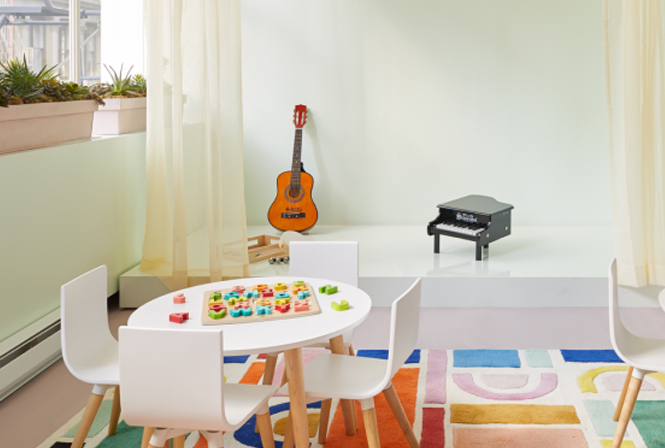
The colors, the layout, the warmth — everything should breathe your identity. Without a single word, they should already get a positive first impression.
2. The first conversation
Before showing them the coworking area, I always sat down with them for a relaxed conversation. Think of it as a “soft sales interview,” but without losing authenticity.
They are the protagonists. They arrive with questions, concerns, and specific needs. Your role is to understand their world and determine if your offer truly fits them. This moment is also your first filter: not everyone will be your ideal customer, and that’s okay.
Use this moment to understand essential things such as:
How did they find you? What keywords did they search? What were they hoping to solve?
This is pure gold! Because it will help you validate your ideal client, your value proposition, and their needs.
Prepare a cozy space, offer a tea or coffee, and create an environment that invites them to open up.
3. Show them the coworking space and the cobaby
Once you understand their needs, then it’s time to show how your solution meets them.
During the tour, focus on what matters to them: flexibility, community, support, balance — not on technical details like chairs or table materials.
The cobaby must be coordinated in advance with the educator. Respect naptime and adaptation periods. If entry isn’t possible, let families observe from the window.
Whenever possible, the educator should guide this part. It shows teamwork, trust, and professionalism.
And believe me: families arrive full of curiosity. You won’t need to push — they will ask everything.
4. The second conversation
After the tour, we returned to the lounge area. This is where we talked about concrete solutions, pricing, and next steps.
With everything you’ve learned from them, you can now guide them toward the option that best fits their situation.
Have printed materials ready — flyers, brochures, anything that helps them remember you.
From my experience:
This is the moment when the decision is made.
Families know exactly how they feel. If it fits, they move forward. If not, they don’t force it.
Also be ready with practical information in case they want to start immediately:
- When can we begin?
- How long is the adaptation period?
- Contracts and payment forms ready to sign
5. The ending
Hopefully, it ends with a new family joining your community. But regardless, you leave with valuable insights: what families need, what they expect, what works, and what must be improved.
That knowledge is gold.
It turns customer care into a genuine, human, and effective experience — not just a tour.

If you found this helpful, please share the information. There might be someone else looking for the same thing as you. Or leave me a comment. I’d really appreciate it.
Pam






Deja una respuesta